
Maintenance · Practical guide
Tire labels: how to compare grip, noise and efficiency without a false shortcut
A tire label helps compare some characteristics; it does not summarize overall quality. Use it well by first checking that the references suit the vehicle and intended use.
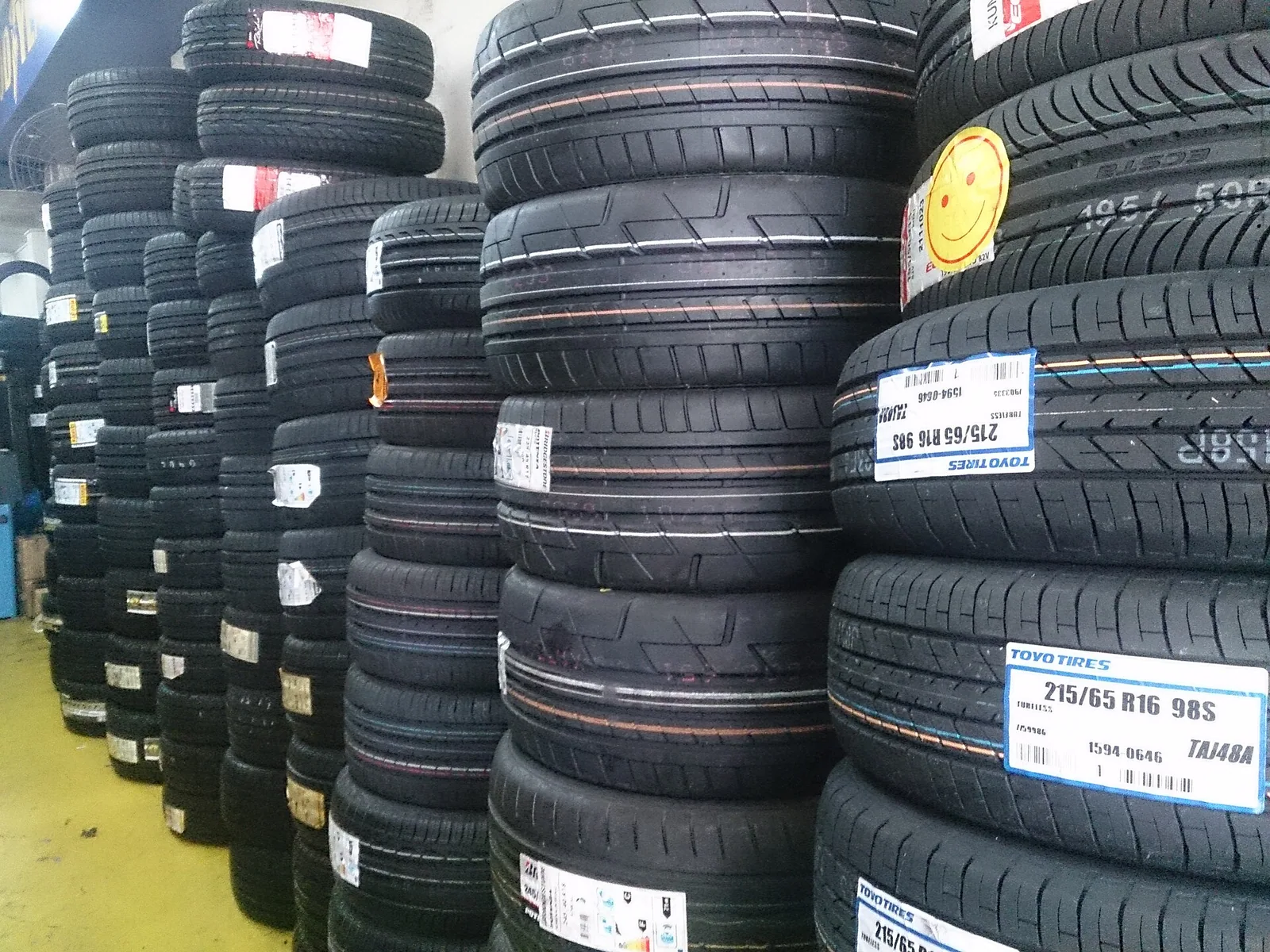
What matters
Compare the complete size and reference, then assess each label field separately and ask about the performance questions the label cannot answer.
Read each field as a separate answer
The European tire label helps organize three characteristics: energy efficiency or rolling resistance, wet grip and external noise. It can also include snow or ice pictograms where applicable. These are not different ways of expressing one overall score; each field concerns a separate dimension. A favorable classification in one therefore does not automatically tell you how the tire performs in the others.
Start by writing the fields in separate columns rather than looking for one winning letter. A label can help narrow your options, but it does not replace considering every characteristic that matters to your driving. If an offer highlights only one field, ask how the product is classified in the others and which exact reference is being offered. Do not attribute results to the product that do not appear on its label.
Set the size and reference before comparing
Before looking at brands or product families, consult the vehicle information and confirm which size and specifications apply to your car. Ask for the complete tire reference to appear on the quote and check that the required characteristics match, including load and speed indices and any relevant approval. If you are unsure whether a tire is suitable, confirm the choice with the supplier or fitting professional.
Do not treat two products as equivalent merely because they share a family name or are both described as premium. Variants may have different sizes, indices or approvals. Compare references that apply to the vehicle and are as similar as possible; otherwise, attributing a difference to the brand or design can be misleading. The label for one variant does not establish the classification of every version in that range.
Build a comparison without mixing variables
Create a simple record for each option: complete reference, size, vehicle specifications checked, rolling-resistance classification, wet-grip classification and external-noise information. Record the price and what the quote includes separately, if that information is available. This makes it easier to see what you are comparing without mistaking configuration differences for performance differences.
Hypothetical example: two offers look similar, but one is for a different size from the one you confirmed for the car. It would not be sensible to choose that offer because one field looks better and treat the comparison as valid. First clarify compatibility and request a quote for comparable references; then decide which characteristics matter most. If you cannot match the configurations, note that limitation rather than presenting one option as the absolute winner.
Weigh the label against your journeys, not one letter
Define your use before choosing: for instance, whether you mostly drive in town, make long trips, regularly encounter rainy weather, or need to consider snow or ice. Also state your priorities, such as placing greater importance on wet grip or efficiency. The label helps compare some of these characteristics, but it cannot determine by itself which option is suitable for every driver and vehicle.
Hypothetical example: someone who often drives on wet roads may put the wet-grip field first, while another driver may also want to consider efficiency on their regular routes. That does not mean either person should ignore the other fields. Write down the priority behind your choice and the trade-offs you are willing to consider; then ask for comparable information on the candidate references. Do not turn an individual priority into a universal recommendation.
Identify what the label does not answer
The label’s noise information concerns external noise; it is not a direct measurement of the acoustic comfort you will experience inside the car. The vehicle’s insulation and the road surface affect that experience, so do not treat the figure as a promise that one option will be quieter in the cabin. Likewise, one field does not summarize every tire characteristic or establish how the tire will suit the rest of the vehicle.
Ask for specific information about the characteristics that matter to you and what comparable data is available for that reference. If a seller makes broad claims about an entire range, ask again for the product’s complete code and information associated with that variant. The label alone has limits: if information relevant to your decision is missing, acknowledge the uncertainty rather than filling it with an impression based on the tread pattern or product name.
Check what you are paying for and what remains unconfirmed
A useful quote identifies the specific tire, rather than giving only a description such as sporty or premium tire. Ask for the full reference and an itemized explanation of what fitting includes. Compare offers on the same basis: if one includes services another does not mention, do not automatically attribute the cost difference to the tire. Ask the supplier to clarify anything uncertain before accepting the offer.
Do not decide inflation pressure or an alternative size from the label. Consult the vehicle information for applicable guidance and ask the professional to verify the selection and fitting. This practical check helps prevent a favorable classification from distracting you from an incorrect specification. Keep your comparison record and quote so you can check that the reference supplied matches the one you assessed.
Close the decision with a check you can verify
Before ordering, review three points: the reference matches the offer, the size and specifications have been checked against the vehicle, and you have compared the label fields separately. Then confirm which characteristic matters most to you and which uncertainty remains unresolved. If the reference or terms of the offer change, revisit the comparison instead of assuming your earlier decision still applies.
The label is most useful when it turns an impression into specific questions: are we comparing the same configuration, what does each field say, which characteristic is not represented, and exactly what does the offer include? It does not promise that one tire is best at everything or replace a compatibility check. With this approach, you can choose for clear reasons, explain your priorities and request more information when the label is not enough.
Questions answered
Does a better wet-grip classification mean the tire is better in every respect?
No. It is separate from energy efficiency and external noise. Compare the fields individually and consider which ones fit your priorities.
Does the label’s external-noise information tell me how much I will hear inside the car?
Not directly. The figure concerns external noise; the vehicle’s insulation and the road surface also affect cabin comfort.
Can I apply the label for one product family to every variant?
Do not assume so. Check the complete reference, size and specifications of the variant you intend to fit.
Use the label to compare specific fields, not to choose by one letter. First verify the reference that applies to your vehicle, write down your priorities and ask about missing information. Your decision can then rest on a clear comparison without asking the label to answer questions it does not cover.
Turn the research into a buying plan
Tell us the vehicle, total budget and destination in Spain. We can assess the search or an existing advert. The initial enquiry is free; inspection and coordination require an agreed quote.
Discuss my car search ↗Sources & editorial policy
Written by Autohaus Zephyr from the linked sources. Manufacturer figures are attributed claims, not our own tests. The practical comparisons and clearly identified examples are editorial analysis. Market availability and specifications require confirmation for the exact car.
Corrections: info@autohauszephyr.ch
How we work →Keep reading
- Aquaplaning: how to reduce the risk and respond if the car loses grip
- Electric-car brakes: how to assess corrosion and maintenance
- How to Arrange a Car Inspection in Germany: A Buyer’s Checklist