Motorsport · Practical guide
WRC27: How to distinguish an approved rulebook from a confirmed car and entry
WRC27 is easier to understand when each stage is tracked separately: publication and effective date of the rules, car development, homologation and confirmed participation. An announcement about one stage does not establish the others.
What matters
Check the applicable document, its effective date and the verifiable status of each programme. The Rally2-WRC-Kit route announced for certain homologations and for 2027 and 2028 does not, by itself, confirm cars or competing teams.
What the official sources have announced
The FIA published a WRC27 technical framework and later announced updates that include a Rally2-WRC-Kit route for certain homologations, with eligibility announced for 2027 and 2028. These are important milestones for understanding the proposed structure, but they are not a list of cars, teams or entrants. To establish exactly what that route permits, consult the applicable regulatory text and its provisions rather than inferring technical conditions from a headline.
A careful reading separates three levels: what the FIA says has been approved, what the regulations actually provide and what manufacturers or teams decide to do. The cited sources support attributing publication of the framework and the announcement of updates to the FIA. They are not enough to claim that a manufacturer has completed a car, that a model is homologated or that it will start an event. Each of those claims needs separate, current evidence for the relevant stage.
The rules shape a programme, not just a car’s design
A rally category depends on more than the initial construction of a vehicle. A programme also has to organise development, spare parts, service support, personnel and event operations over a season. When the technical framework changes, the useful question is therefore not simply whether building a car appears easier or cheaper. Ask which obligations change, who can use the proposed route and what resources are still needed to compete. The sources available here do not quantify costs or demonstrate the economic effect of the new rules.
For a fan, this approach prevents an intended outcome from being mistaken for a result. A rulebook may aim to make a category more accessible or flexible; assessing whether it succeeds requires later evidence about programmes and competition. As a hypothetical example, if a manufacturer said it was studying a Rally2-based solution, that would show interest in exploring an option. It would not prove that the project was funded, completed or ready for entry. The announcement describes one stage; it does not settle the next ones.
Sort each news item by the stage it establishes
Classify updates using a straightforward sequence: regulatory decision, effective date, vehicle development, homologation and participation. Not every story establishes a new stage. An approval describes the framework; a test may show that prototype work is under way; a homologation establishes a specific regulatory status; and a confirmed entry concerns a particular event or championship. Keep those distinctions even when headlines use “new WRC car” for projects at very different stages.
For each report, note who made the claim, which document or action supports it, which season it concerns and what remains outstanding. If a statement confirms only an approval, record homologation and entry as unconfirmed instead of filling the gaps with expectations. In a hypothetical case, showing a car at a trade event could establish that a proposal was presented. Without a verifiable homologation document and entry, it would not establish that the car is eligible or will compete.
Check effective dates, seasons and document versions
A regulatory transition can involve separate dates for approval, publication, entry into force and application to a homologation or event. They are not interchangeable. The FIA reports identify the WRC27 framework and announce 2027 and 2028 eligibility for the route described; to determine how a particular rule applies, readers need the relevant official version and its dates. A short news release may help locate a change, but it is not a substitute for the regulations and their appendices.
When comparing documents, check their titles and dates, and whether a later communication changes or clarifies an earlier one. An older explanation may accurately describe the initial decision yet become incomplete after an update. If a report says that a car “complies with WRC27”, ask which version of the rules it means, what homologation has been granted and for which period. If the report supplies none of that information, the responsible conclusion is that the report has not demonstrated compliance—not that the car has been rejected.
What to check before calling a car homologated
Homologation is not a synonym for concept, rendering, test mule or press-launch prototype. To verify the claim, look for an identifiable official reference, the scope of the homologation and the category or route it covers. Check that it applies to the same model and configuration mentioned in the report. A marketing label or a statement from the project itself may provide a lead, but it does not replace confirmation from the competent body. The FIA material cited here explains the framework and announced update; it does not, by itself, identify every future car that might receive homologation.
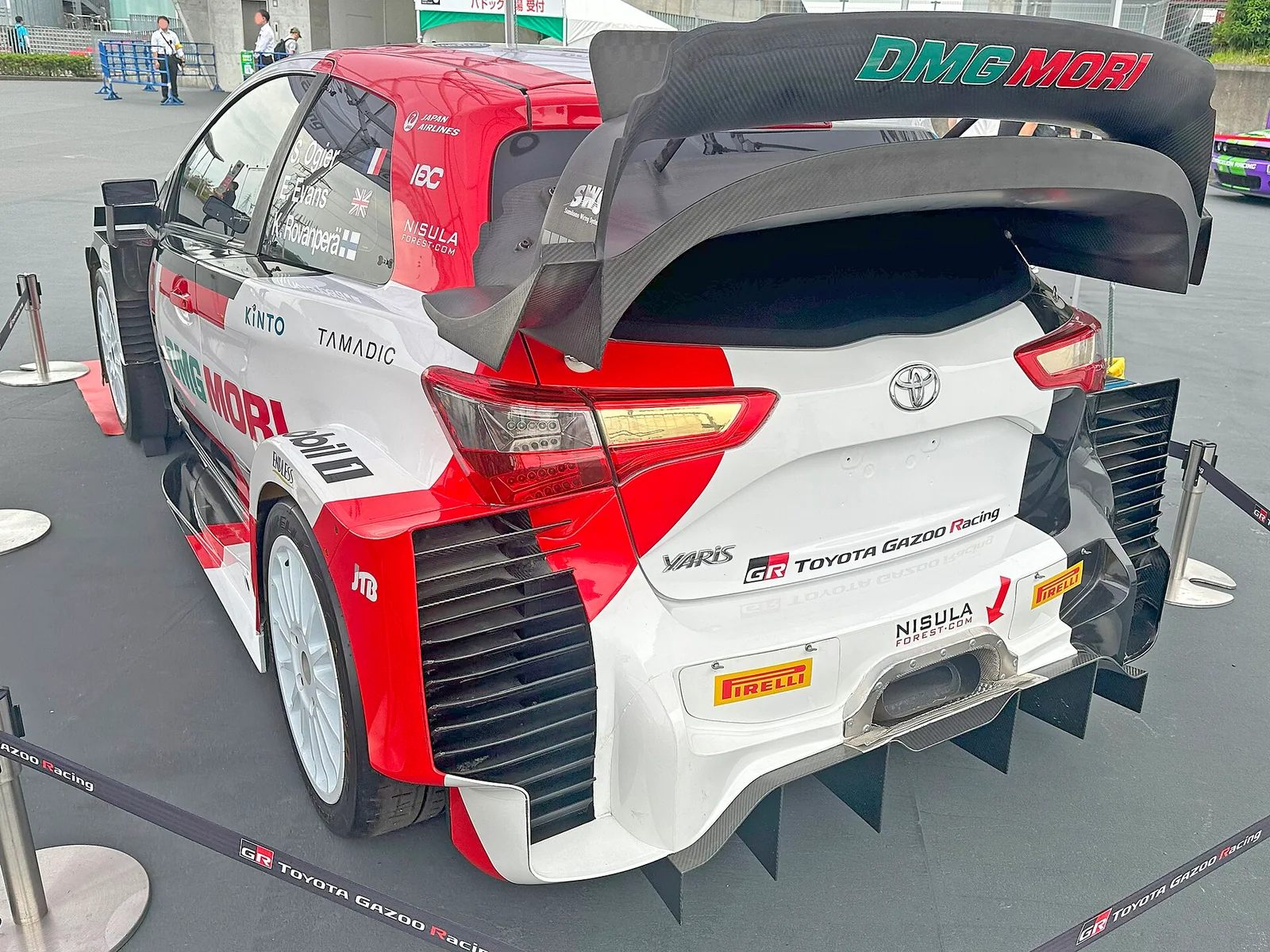
Technical documents are not always published in a format that is easy to interpret. In that case, limit the conclusion to what can be established: for example, “the manufacturer announced development” or “the FIA announced a regulatory update.” Do not treat the absence of an accessible document as proof that no homologation exists; say that it could not be verified using the sources consulted. That distinction protects accuracy, particularly when older models or archive images are used to illustrate a new generation.
An entry is a separate confirmation
Even a homologated vehicle does not automatically prove that it will compete. To support a participation claim, find confirmation tied to a team, a season and a specific event or championship. An intention, negotiation or announced plan may be newsworthy, but it remains different from an accepted entry or actual presence on an official list. If a list is provisional, identify it as provisional; if a statement concerns a future promise, preserve that status instead of presenting it as accomplished fact.
As a hypothetical example, a team could announce that it is preparing a 2027 programme and later reveal the car’s identity. Those two announcements alone would not prove that the vehicle is homologated or appears on an event entry list. A useful tracking sheet can record the source, stage, season, verifiable document and next outstanding confirmation. This lets readers recognise real progress without predicting a complete field or attributing commitments that no one has confirmed.
How to assess whether the transition works
A rule’s outcome cannot be judged on the day it is announced. Programmes capable of using it must first emerge; then their continuity, participation conditions and competitive performance can be observed. Participation is a relevant signal, but it cannot explain on its own why a team joins or leaves: budgets, calendars, technical support and internal decisions may also matter. Without specific evidence, it is not sound to attribute future changes solely to the regulations or present a stated objective as a proven result.
A balanced assessment compares the stated aim with what can be verified at each later stage. Ask whether the final text retains the announced route, whether cars have been homologated under it, whether teams confirm programmes and whether they appear on the relevant entry lists. Then assess sporting results in sufficient context; do not mistake one event for a trend. Official sources establish what the FIA communicated, while every claim about a manufacturer, car or entry needs evidence of its own.
Questions answered
Does publication of the WRC27 framework confirm a 2027 entry list?
No. It confirms that the FIA published a framework and announced updates, but an entry list depends on cars being developed and homologated and on verifiable entries for the relevant events. [0][1]
What does the announced Rally2-WRC-Kit eligibility for 2027 and 2028 mean?
The FIA announced that route for certain homologations and those seasons. Its precise scope and conditions must be checked in the applicable official regulations; the announcement does not, by itself, identify competing cars or teams. [1]
What evidence is enough to say a team will compete?
Look for confirmation attributable to the team or organiser and tied to a specific season and event. Distinguish an intention from an official entry, and say if the list you consulted is provisional.
WRC27 is not a single announcement but a transition with stages that must be verified separately. The best way to follow it is to attribute each claim to its source, check dates and documents, and reserve conclusions about cars, teams and sporting effects until the relevant evidence exists.
Sources & editorial policy
- FIA · WRC27 Technical Regulations ↗
- FIA · Actualizaciones aprobadas por el World Motor Sport Council ↗
Written by Autohaus Zephyr from the linked sources. Manufacturer figures are attributed claims, not our own tests. The practical comparisons and clearly identified examples are editorial analysis. Market availability and specifications require confirmation for the exact car.
Corrections: info@autohauszephyr.ch
How we work →Keep reading
- Endurance and Hypercar: How to Read a Race Beyond the Fastest Lap
- Formula 1 2026: How to Read the Relationship Between Aerodynamics and Energy
- Hydrogen in motorsport: what Toyota is researching with a combustion engine