
Technology · News & analysis
Toyota and Waymo plan bZ4X autonomous-fleet testing in Japan for 2027
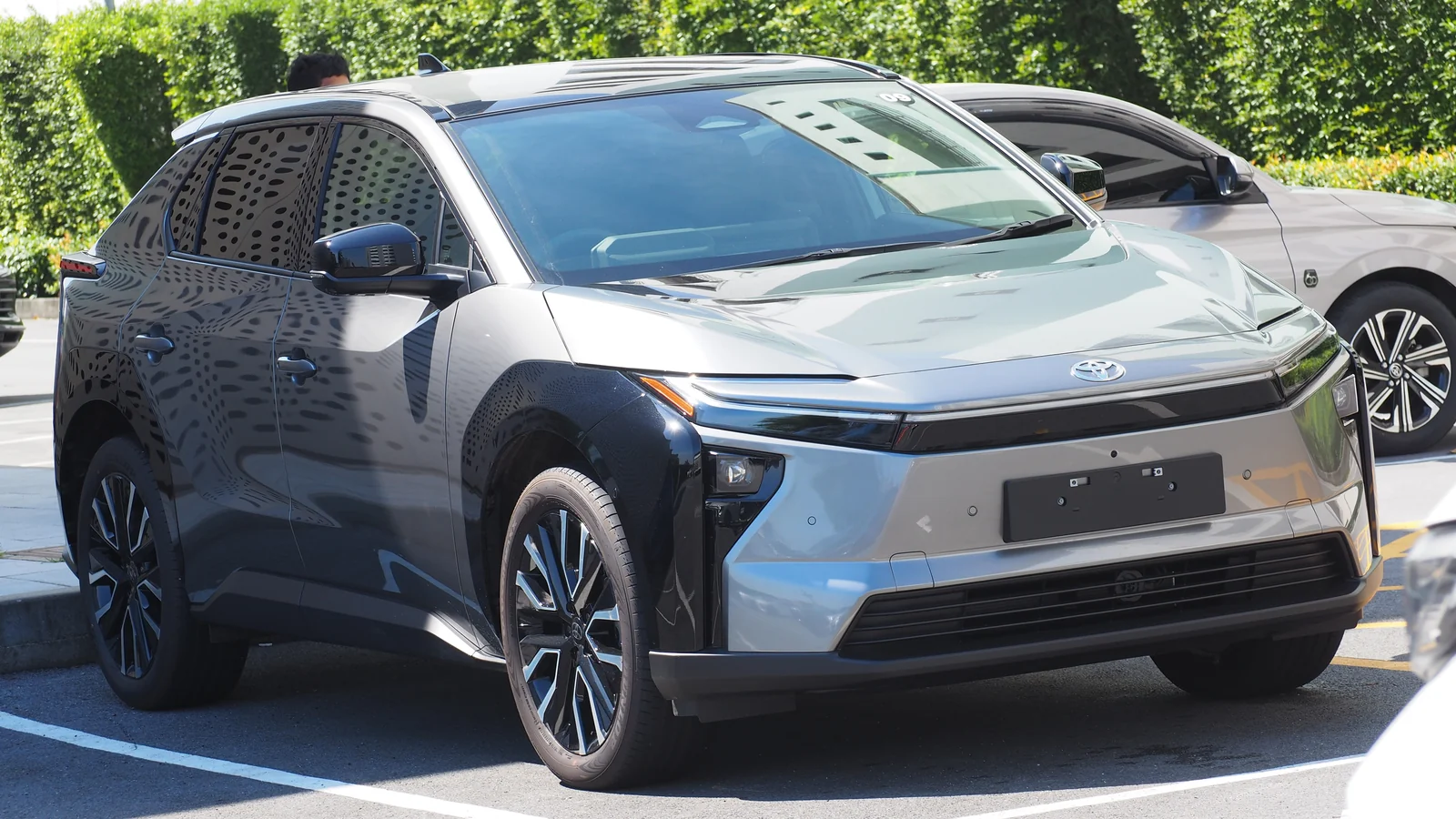
Toyota and Waymo announced a new phase of their collaboration on 30 October: initial testing and validation of an autonomous Toyota bZ4X fleet in Japan is planned for 2027. Vehicle assembly and Waymo hardware integration will take place at Takaoka. The agreement defines an industrial process and a next testing stage; it does not announce a service available today or a system that private buyers can add to any Toyota.
What matters
The advance is a plan to build and integrate a fleet for validation. Testing, commercial service and functions for privately owned cars remain separate milestones.
A preliminary agreement gains a vehicle and a factory
The joint release connects this phase with the preliminary agreement announced in April 2025. It now names the bZ4X as the base vehicle and Takaoka, in Toyota City, as the manufacturing location. Toyota describes an operation under one roof, from vehicle assembly through to Waymo hardware integration. That is more specific than a broad statement that two businesses intend to collaborate on artificial intelligence.
The industrial significance concerns making a configuration repeatable. A single test vehicle assembled individually and a fleet built through a defined process create different control and maintenance problems. The announcement does not disclose volumes or unit costs, so the scale of that step cannot yet be measured. It does identify where the partners intend to address it: factory integration, rather than a software demonstration alone.
Japan in 2027 refers to initial testing
The companies explicitly describe operations to test and validate the fleet in Japan during 2027. Deployment in the United Kingdom and other Waymo-served markets is planned for subsequent years. That sequence matters: an industrial plan does not establish that passengers can already book a vehicle in a particular city. Nor does this announcement set fares or provide a public opening date for an operational service.
The announced sequence puts Japan ahead of expansion to other Waymo markets. Passengers next need the city, service area and access conditions, while the manufacturing milestone concerns building and validating the integrated configuration. The release does not yet set a fleet volume or commercial opening date.
Integration involves more than changing the bZ4X’s appearance
Toyota contributes vehicle development and manufacturing, while Waymo supplies its autonomous technology. The release presents this combination as a route towards scaling safety-validated Level 4 vehicles. It does not provide a complete technical schedule of sensors, software versions, weather conditions or limits for every future operating area. We therefore do not assign this fleet capabilities that have not been specified for a particular journey.
A factory-integrated vehicle must be considered as a maintainable system: equipment, power supply, diagnostics and component replacement need a coherent process. That is our analysis of the engineering task, rather than an announced specification for this car. As further details emerge, it will be useful to check who maintains the configuration and how a valid version is preserved, as well as watching whether a vehicle can complete a demonstrated route.
Passenger experience is another part of the service
The partners describe generous rear legroom, automatic doors, a power liftgate and ambient lighting for the adapted bZ4X. These are features of the announced design rather than the findings of an Autohaus test. Their inclusion shows that the programme concerns more than replacing the driving task: it also addresses entry, exit and the experience of using a shared vehicle without treating those interactions as an afterthought.
Automatic doors and a powered liftgate are particularly relevant to a shared service, where passengers enter and unload luggage without owning the car. Physical accessibility still requires checking space and assistance for specific needs: the combination does not by itself establish that everybody can use the future fleet under identical conditions.
Privately owned Toyotas remain an exploratory strand
Toyota and Waymo say they will continue exploring autonomous technology for personally owned Toyota vehicles. The announcement also mentions Woven by Toyota and possible safety initiatives involving operational insights, data and infrastructure. Exploration is the important distinction: the release does not establish a priced option or a confirmed update for a bZ4X that someone can purchase today. A fleet programme and a retail product have separate requirements.
The news should therefore not be converted into a reason to pay now for an unspecified future function. A private buying decision needs the car’s delivered capabilities and documented seller commitments. Fleet development may generate industrial knowledge, but it does not determine which features another vehicle will receive, when they might arrive or the conditions under which they could be used. Those remain separate products and decisions to verify.
The evidence that would move the story forward
Distinguishing factory, fleet and private car makes the announcement easier to follow. Takaoka identifies where the vehicles will be integrated; Japan is the first country named for testing; other markets appear as later plans. Keeping those levels separate allows a real project advance to be recognised without anticipating what still needs demonstrating or confusing a standard bZ4X with one configured for Waymo’s operations.
Questions answered
Can passengers already book this Toyota and Waymo service?
The release does not announce that it is currently open. It places initial testing and validation in Japan in 2027, with other markets planned afterwards.
Will an existing bZ4X receive an autonomous-driving update?
No such commitment appears in the announcement. Technology for personally owned cars remains an area of exploration, rather than a sold or confirmed software update.
The agreement becomes more meaningful by naming a vehicle, a factory and a next phase. The evidence supports a fleet being prepared for validation, rather than universal service availability or a promise about a private car. Subsequent milestones must supply the operating conditions that this announcement does not yet explain.
Sources & editorial policy
Written by Autohaus Zephyr from the linked sources. Manufacturer figures are attributed claims, not our own tests. The practical comparisons and clearly identified examples are editorial analysis. Market availability and specifications require confirmation for the exact car.
Corrections: [email protected]
How we work →Keep reading
- Software-defined cars: what to check before you buy
- MB.DRIVE ASSIST PRO in Germany: announcement, dates and Level 2 limits