
Industry · News & analysis
Hyundai lifts operating profit as volumes fall and guidance is reduced
Hyundai Motor announced on 29 October that third-quarter operating profit rose 5.5% to approximately KRW 2.68 trillion, despite an 11.3% decline in wholesale vehicle volume. Hybrids supported the product mix, but the company lowered its annual volume and margin targets. The release is best read through composition and changes in guidance, while preserving the distinction between operating profit, net profit and retail sales rather than compressing them into one description of performance.
What matters
A better quarterly operating result does not prevent an annual forecast being reduced. Hybrid mix, lower total volume and cost pressures explain different parts of the announcement.
Lower volume and higher operating profit can coexist
Hyundai reported 920,710 vehicles on a wholesale basis, compared with 1,038,353 a year earlier. Revenue fell 3.4% to KRW 45.11 trillion. Operating profit increased to approximately KRW 2.68 trillion, with a 5.9% margin, half a percentage point higher. The company attributes that resilience to favourable exchange rates, cost optimisation and a mix supported by higher-value hybrid vehicles. The measures describe different parts of the same quarter rather than a contradiction.
The combination shows why profitability cannot be measured through car volume alone. A different product mix can lift operating earnings with fewer units, although that does not guarantee the same pattern in another period. Nor does it establish the profit earned on a particular hybrid. Hyundai offers an aggregate explanation, not unit-level accounts that a reader can transfer directly into a specific vehicle offer or negotiated purchase price.
Net profit, including non-controlling interests, moved differently: approximately KRW 1.93 trillion, down 24.2%. That contrast reinforces the need to retain each measure’s label. Saying only that Hyundai earned more would omit falling net profit; saying that all profitability worsened would ignore the operating improvement. Both figures concern the same quarter but different accounting levels, so neither should replace the other in a summary of the release.
Source: Hyundai Motor — Q3 2026 ↗
Hybrid mix rises through both units and the denominator
HEVs represented 18.2% of global sales, up 2.7 percentage points, with 167,414 units and 3.8% volume growth. A share can rise because the category expands and because the total falls. Both occur in this quarter. That is more precise than treating the increased proportion as though it came entirely from an equally large increase in hybrid units or demonstrated the same trend across all electrified technologies.
The electrified aggregate, defined by Hyundai to include HEVs, EVs, plug-in hybrids and fuel-cell vehicles, reached 245,540 units, down 2.7%, although its share rose to 26.7%. EVs accounted for 69,117 units, down 9.2%. Electrified and battery-electric are therefore not interchangeable labels. Assigning the hybrid improvement to BEVs would mix categories with different trajectories and lose the most useful commercial qualification in the company’s reported powertrain mix.
Source: Hyundai Motor — Q3 2026 ↗
Wholesale and retail are not rival versions of one number
The financial table reports wholesale vehicle sales. Manufacturer shipments and purchases by end customers represent different stages of distribution; this report does not provide an equivalent retail breakdown. Retaining the wholesale basis allows 920,710 vehicles to be compared with 1,038,353 a year earlier without mixing indicators.
Within quarterly wholesale volume, Korea accounted for 131,468 vehicles, down 27.2%, and the rest of the world 789,242, down 8%. Hyundai identifies fewer working days and strike-related production constraints among the factors. We retain that as the company’s explanation without extrapolating a specific dealer’s waiting time or assigning an unannounced delay to an individual model. The release does not provide that level of transaction or configuration detail.
Source: Hyundai Motor — Q3 2026 ↗
The guidance revision changes identified targets
Hyundai reduced its 2026 wholesale target from 4.16 million to 4.0 million vehicles and revised the operating-margin range from 6.3–7.3% to 5.5–6.5%. Expected revenue growth remains 1–2%. These are three different variables. The volume revision is 160,000 vehicles below the previous target, a direct calculation between objectives rather than an additional fall in deliveries that has already occurred or a completed annual result.
The automotive investment plan was also reduced from KRW 17.8 trillion to KRW 16 trillion after a review of priorities and timing. The release does not turn that adjustment into a list of cancelled projects or closed facilities. Hyundai connects its response with volume disruption and higher raw-material prices. Later verification must follow execution and outcomes rather than assigning individual consequences that the announcement does not identify or establish.
Quarterly operating-profit growth and more cautious annual guidance can coexist because the annual objective incorporates a different horizon and set of risks. The first describes a completed period, while the second expresses the expected close. Mixing them would either present a forecast as an achieved result or assume that one recent improvement obliges management to maintain every earlier target unchanged regardless of other developments.
Source: Hyundai Motor — Q3 2026 ↗
Questions for the next product and production update
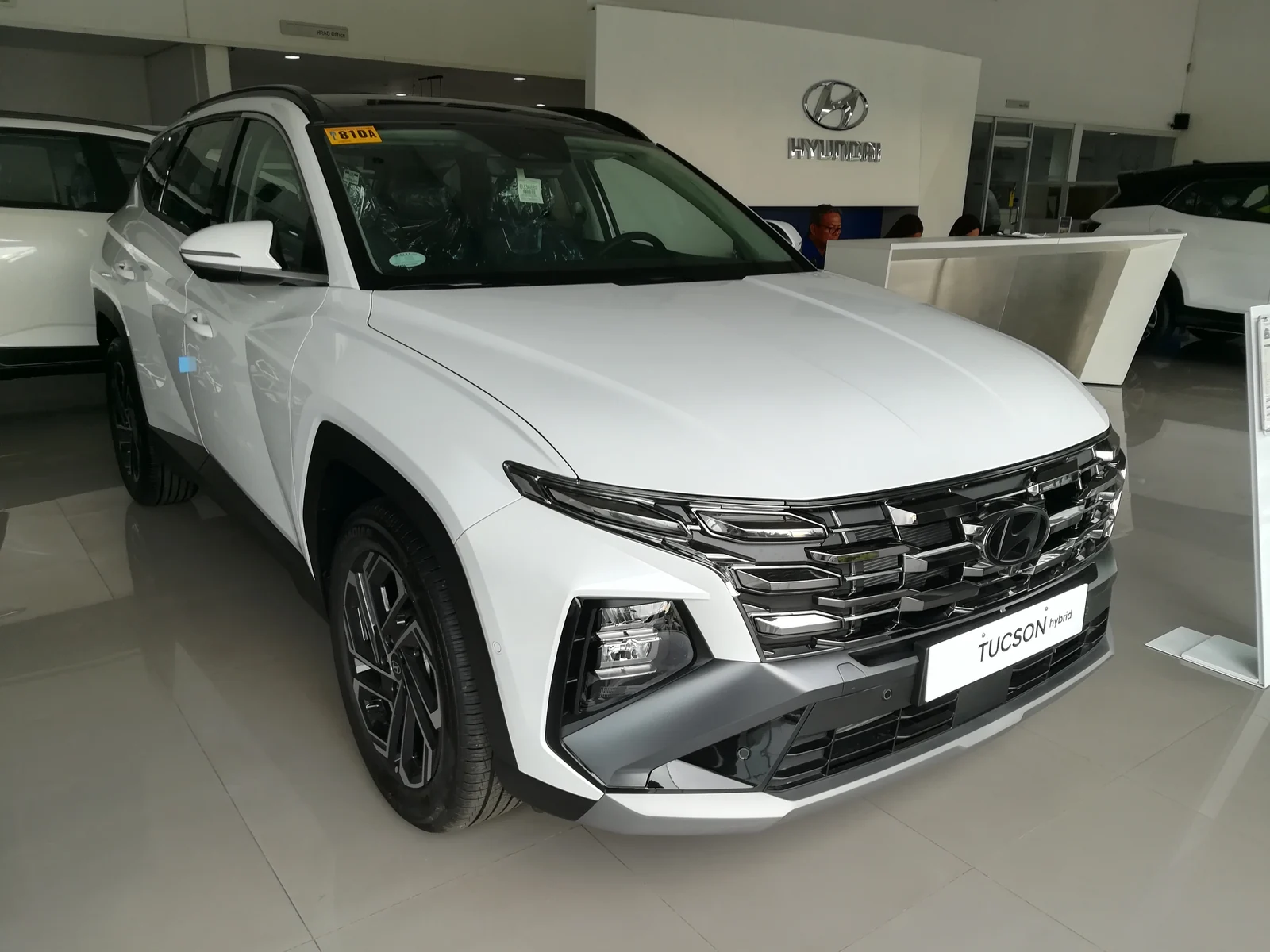
Hyundai names two products in its response: the new Tucson and Elantra. These sit alongside plans to increase production, expand new-model sales and improve costs, with powertrains adapted to regional demand. That responds to the quarter’s constraints; the announcement does not yet demonstrate recovery of the volume lost.
Automotive investment is reduced by KRW 1.8 trillion from the previous plan, approximately 10.1%, calculated from the announced KRW 17.8 trillion and KRW 16 trillion. Hyundai simultaneously maintains its quarterly dividend at KRW 2,500 per common share. The decisions concern different investment and shareholder-return priorities, while delivery against the revised guidance depends on the annual close.
Source: Hyundai Motor — Q3 2026 ↗
Questions answered
Did Hyundai sell more hybrids but fewer electrified vehicles?
Yes, under the release’s definitions: HEVs grew 3.8%, while the total electrified category fell 2.7%. Rising share also does not require every category to grow in units.
Is the new 4.0 million target an achieved annual result?
No. It is revised 2026 wholesale guidance, compared with the earlier 4.16 million target. The annual close and whether the target is met must be checked later.
The quarter combines an operating improvement supported partly by mix with reduced targets reflecting volume and cost pressures. Keeping categories, reporting bases and horizons separate avoids making one figure explain the whole company. Subsequent reporting must establish how the planned response develops into completed results.
Sources & editorial policy
Written by Autohaus Zephyr from the linked sources. Manufacturer figures are attributed claims, not our own tests. The practical comparisons and clearly identified examples are editorial analysis. Market availability and specifications require confirmation for the exact car.
Corrections: [email protected]
How we work →Keep reading
- Hyundai IONIQ 6 N: what to ask of an electric sports-car test
- Used EV battery health reports: how to interpret the results