
Industry · News & analysis
Sandeep Bhambra leads Citroën and DS design: the new structure
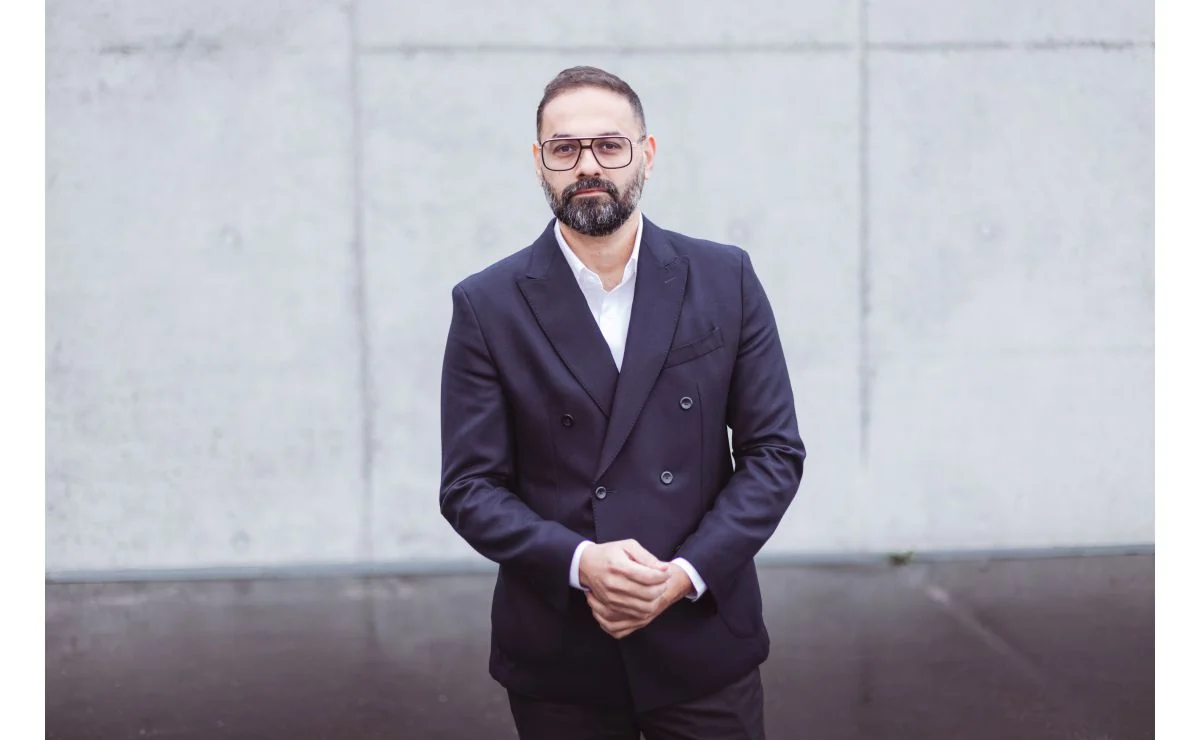
Sandeep Bhambra leads design for Citroën and DS Automobiles from 2 November. He reports to Gilles Vidal and joins both management teams under Xavier Chardon. Pierre Leclercq moves to Opel and Vauxhall, while Thierry Metroz supports European design strategy. The reorganisation places two identities under shared creative responsibility, with a designer who had already spent several months at Stellantis.
What matters
This changes responsibilities and coordination, rather than announcing a merged range. Bhambra’s background combines production projects and advanced design; product decisions must be assessed when they are documented.
Two brands, a shared design lead and a common reporting line
The appointment took effect on 2 November, the release date. Bhambra takes over responsibilities previously held by Pierre Leclercq at Citroën and Thierry Metroz at DS. He reports to Gilles Vidal, head of design for Stellantis’ European brands, and joins both management teams under Xavier Chardon, CEO of the two brands.
The wider changes give Leclercq design leadership at Opel and Vauxhall, succeeding the retiring Mark Adams, while Metroz supports Vidal on European strategy. Brand design and group strategy remain identifiable responsibilities. Shared leadership can assist coordination, but the release does not announce a brand merger or a common model portfolio.
From mechanical engineering to transportation design
Bhambra graduated in Mechanical Engineering from the University of Pune and holds a Transportation Design master’s degree from Strate in France. He began at Mahindra & Mahindra in 2003, then worked at Tata Technologies and Tata Motors in India and the United Kingdom. In 2010, he joined Peugeot Design in Vélizy as an exterior designer.
That trajectory matters because the job extends beyond drawing an appearance. A project must connect proportions, use and the constraints of making a product. As editorial interpretation, the education and experience across different settings give context to his profile; they cannot predict the shape or quality of an unannounced Citroën or DS. This appointment establishes who will coordinate that work.
Experience across production, concepts and advanced work
The official biography credits contributions to Peugeot 2008 and 5008, the Onyx concept, upstream work on the third-generation 3008 and the Citroën Ami. They span different sizes and purposes. The source describes contributions within teams, rather than sole authorship of every car. That range is more informative for understanding the appointment than reducing it to one visual signature.
The difference between concept and production also runs through that record. Onyx explored a show-car proposition, while Ami brought design choices into a production vehicle. The linked RCZ Vision article explains those stages without attributing that concept to Bhambra. Following his next work means asking how an intention becomes a product and which compromises remain or change along the way.
Renault from 2021, Stellantis from April 2026
He joined Renault Group in 2021 as Chief Designer for Advanced Design and Concept Cars. The release lists projects including Scénic Vision, Emblème and R17 Ora Ito, alongside the R5 Turbo 3E limited-series project. In 2025 he also took responsibility for Renault’s India studio while retaining the advanced-design role. The experience combines concept exploration, identity and team organisation across markets.
He had been Stellantis’ Vice President for European Design Strategy since April 2026. November’s news therefore describes new brand responsibilities for somebody already working on group strategy, rather than a direct move from Renault now. That continuity makes the connection with Gilles Vidal particularly relevant: the role links European coordination with the distinct expression of Citroën and DS.
Where the brands’ differences will need to become visible
The stated ambition is to strengthen distinctive identities. To assess its eventual expression, compare proportions, access, cabin organisation and interfaces in documented products. Those observable dimensions connect appearance with use. During a visit, repeating a familiar task in a stationary car can reveal whether controls and information support each model’s proposition.
The linked Renault 5 coverage provides context on a recognisable identity connected to an actual range; the updates guide recalls that some interface decisions are experienced after purchase. Neither anticipates Citroën’s or DS’s plan. This appointment clarifies responsibilities and background; its product outcomes must be judged through dates, versions and verified experience while recognising that development is shared work.
The reorganisation identifies who is responsible; its results must be assessed in documented cars and concrete experiences. Judge differentiation through what each proposition helps people do and understand, as well as through appearance.
Sources & editorial policy
Written by Autohaus Zephyr from the linked sources. Manufacturer figures are attributed claims, not our own tests. The practical comparisons and clearly identified examples are editorial analysis. Market availability and specifications require confirmation for the exact car.
Corrections: [email protected]
How we work →Keep reading
- Software-defined cars: what to check before you buy
- Peugeot RCZ Vision: the concept coupé’s return—and its limits
- Renault 5 E-Tech: how to interpret the 2026 range update