
Maintenance · Practical guide
Automatic transmissions: how to check service history and decide what to do about the fluid
The label “lifetime” does not prove that a used transmission has received appropriate maintenance. Start by identifying the exact gearbox and collecting verifiable records of its fluid, previous work, and any symptoms.
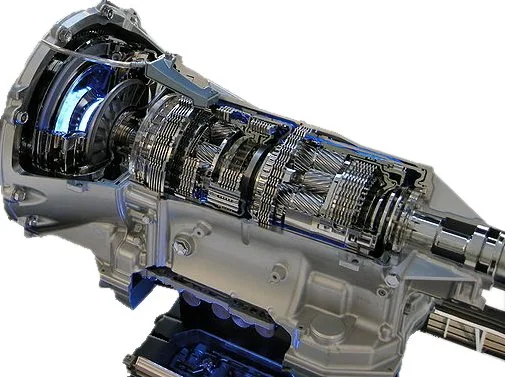
What matters
There is no universal interval or fluid: confirm which transmission the vehicle has, which specification applies, and what evidence supports past or proposed work.
1. Identify the transmission before looking for an interval
Start by identifying the transmission fitted to that particular vehicle, not by counting gears or relying only on the model’s sales name. Different versions, engines, or model years may use different gearboxes; moreover, a description such as “eight-speed automatic” does not identify the fluid specification by itself. Gather the vehicle details and ask the workshop to confirm the gearbox reference and the technical documentation it will use. If it cannot explain how it identified the transmission, you do not yet have a sound basis for approving a quote.
Then separate three questions that are often blended together: which fluid is appropriate, which procedure the applicable documentation recommends, and what work this specific vehicle actually needs. An answer for one transmission does not automatically apply to another, even if both come from the same brand or look similar. Keep the gearbox reference, the source consulted, and the date of the inquiry with the vehicle records. That makes it easier to review a later recommendation without trying to reconstruct the case from memory.
2. Interpret “lifetime” carefully and in context
“Lifetime” does not, by itself, establish how long a particular gearbox will last or prove that it will never need attention. When assessing a used car, find out what the term means in the documentation relevant to that vehicle and transmission, and whether the vehicle maker has specific instructions. Do not turn a marketing phrase or general note into a universal service interval. If two sources appear to disagree, ask the workshop to identify the gearbox, fluid, and conditions each source refers to rather than simply choosing the more convenient figure.
ZF’s LifeguardFluid 6 data sheet says its automatic transmissions are generally lifetime-filled and recommends a change at 150,000 km for its transmissions; it notes that a shorter interval may be advisable because of temperature, load, or unknown previous use. It also lists fluid exceptions among gearboxes. This is information from ZF within that documentation, not a schedule for every transmission and not proof that a particular gearbox uses LifeguardFluid 6. Confirm that the sheet applies to the identified transmission and check it against the relevant vehicle documentation.
Source: ZF Aftermarket · Ficha de producto LifeguardFluid 6 ↗
3. Turn invoices into a verifiable service history
Look for records that link each repair or service to the vehicle and state the date, mileage, work performed, and, where available, the product reference. A detailed invoice is more useful for reconstructing maintenance than a vague entry such as “gearbox service.” Check whether the document identifies the transmission or provides enough information to connect the job to it. A general maintenance stamp may confirm a workshop visit, but it does not necessarily prove that transmission fluid was changed.
Sort what you find into three groups: work supported by documents, verbal claims that still need checking, and periods for which information is missing. Do not present an owner’s statement as a documented service, but do not conclude that service never happened just because you cannot find an invoice. If the seller provides records, request readable copies and check that dates and mileages make sense alongside one another and the vehicle. In a hypothetical example, an invoice that says only “oil” does not establish that it refers to the transmission; ask for more detail before treating it as proof of gearbox maintenance.
4. Separate preventive maintenance from fault diagnosis
Record any behavior the driver describes as precisely as possible: when it occurs, under what conditions, and whether it has changed over time. “It jerks” is a starting point, not a diagnosis. Ask whether it happens when moving off, during a gear change, or in another situation, without automatically blaming the fluid. These details help frame an inspection, but they do not replace any checks a professional considers necessary and cannot identify the cause by themselves.
Distinguish a fluid change from investigating a symptom, repairing a leak, or fixing a fault. These are different objectives, and completing one does not prove that the others have been resolved. Changing fluid is not guaranteed to correct abnormal behavior; likewise, a symptom appearing after service does not, by itself, prove that the service caused it. Ask what was observed, which check supports the recommendation, and what remains uncertain. If the diagnosis is not established, have the quote state that limitation rather than presenting a theory as a certainty.
5. Compare quotes by scope and specification
Before comparing prices, ask each workshop to name the identified transmission, the fluid specification, and the documentation or reasoning used to select it. Request an itemized scope: fluid, associated components where applicable, labor, final checks, and any proposed additional work. Do not assume that every quote includes the same tasks. If an item is unclear, ask what problem it is meant to address and what evidence justifies including it.
Also ask the workshop to describe the proposed procedure clearly enough to compare it with the procedure recommended for that gearbox. The name of a technique alone does not prove that it is better or appropriate for that transmission. In a hypothetical example, two offers may both say “gearbox service” even though one includes a part or check that the other does not mention. A sound decision is to clarify differences, specification, and exclusions before authorizing work—not to choose solely by the lowest figure or the most confident wording.
6. Use the records when assessing a used car
When inspecting a used vehicle, consider the service records alongside the gearbox identification and information about symptoms. Incomplete records do not automatically prove that a transmission is faulty, just as a recent invoice does not certify its current condition. Write down what is known, what is missing, and what a professional should verify before you decide. If there are signs of abnormal operation or conflicting explanations, do not turn them into a repair with an assumed price: request a specific, documented assessment.
In a hypothetical scenario, two otherwise comparable cars may differ in the quality of their evidence: one has an identifiable invoice consistent with its transmission; the other has only a verbal claim with no detail. That difference helps you assess uncertainty, but it does not establish that the first car is fault-free or that the second necessarily needs a fluid change. Consider whether the seller will clarify the gearbox reference, provide records, and permit an appropriate independent inspection. Keep the purchase decision, mechanical diagnosis, and negotiation separate: each addresses a different question and requires its own evidence.
7. Prepare a useful workshop inquiry and keep the answer
Take a short checklist to the workshop: vehicle and transmission identification; current mileage; copies of previous invoices; a specific description of any symptom; and the question you need answered. Ask for the fluid reference, the applicable document or reasoning, the scope of the recommended work, and the checks planned on completion in writing. If the recommendation depends on driving conditions or an unknown history, ask how that uncertainty affects the decision rather than demanding a universal figure that may not apply.
Keep the response with the invoices and note who made the assessment and when. If the behavior changes later, those records help relate dates, mileages, and work without confusing coincidence with cause. If the workshop cannot confirm the gearbox, specification, or scope, pause authorization and request clarification or another assessment. The practical goal is not an absolute promise; it is a traceable decision based on the information available, with a record of what is known, what was done, and what remains unresolved.
Questions answered
Does “lifetime” fluid mean an automatic transmission never needs maintenance?
The word alone does not establish a rule for every gearbox or confirm the condition of a used vehicle. Check the documentation for the identified vehicle and transmission, and keep any fluid maker’s recommendation within the scope of its source.
Does ZF’s data sheet set a 150,000 km change interval for every transmission?
No. That figure appears in the LifeguardFluid 6 data sheet for the transmissions covered by that documentation. ZF also notes factors that may justify a shorter interval and fluid exceptions. Confirm that the sheet applies to the specific gearbox before relying on it.
Will changing the fluid fix jerking or a harsh shift?
That cannot be concluded from the symptom alone. First describe the behavior and obtain an assessment explaining what was checked and what cause is being considered. Maintenance, diagnosis, and any repair are separate jobs.
The useful question is not whether every transmission follows the same interval, but which gearbox this vehicle has, which documentation applies, and what evidence exists for previous work. Identify, verify, and compare the scope before authorizing a service.
Turn the research into a buying plan
Tell us the vehicle, total budget and destination in Spain. We can assess the search or an existing advert. The initial enquiry is free; inspection and coordination require an agreed quote.
Discuss my car search ↗Sources & editorial policy
Written by Autohaus Zephyr from the linked sources. Manufacturer figures are attributed claims, not our own tests. The practical comparisons and clearly identified examples are editorial analysis. Market availability and specifications require confirmation for the exact car.
Corrections: info@autohauszephyr.ch
How we work →Keep reading
- Modern diagnostics: connecting a scan tool no longer guarantees full access
- Spark Plugs and Misfires: How to Separate a Symptom from Its Cause
- How to Arrange a Car Inspection in Germany: A Buyer’s Checklist