
Diagnostics · Practical guide
Spark Plugs and Misfires: How to Separate a Symptom from Its Cause
A stumble or misfire does not prove that a spark plug is the cause. To assess a repair, connect when the symptom occurs with specific observations and checks, verify that the part suits the engine, and agree how the result will be assessed.
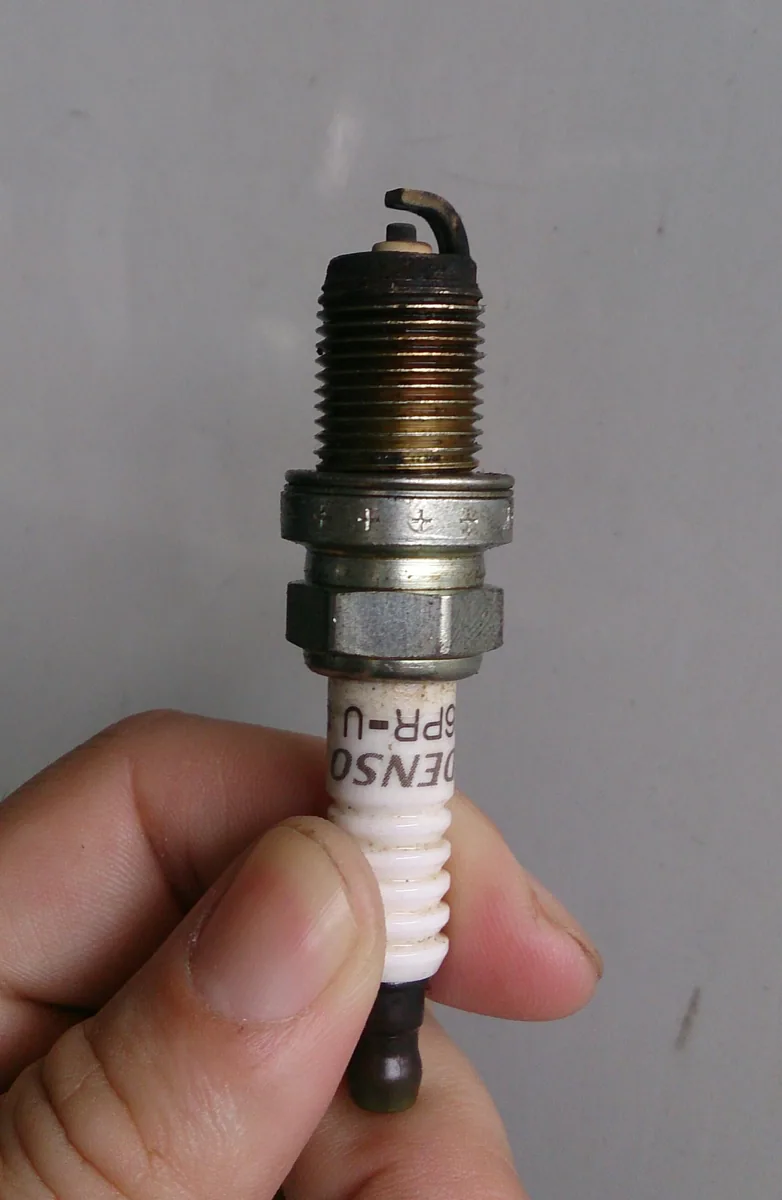
What matters
Before approving a replacement, ask what evidence points to the spark plug, what other causes were considered, and how the shop will confirm whether the repair resolved the problem.
What a spark plug can reveal—and what it cannot
A removed spark plug can offer clues about the conditions in which it has operated, but it cannot tell the whole story on its own. NGK notes that fuel, oil or carbon deposits on the insulator tip can contribute to misfires. It also warns that using an unsuitable tool during installation can crack the ceramic insulator. These are possible mechanisms that can guide an inspection; they do not automatically establish that a faulty plug caused every engine stumble.
The important distinction is between an observation and a diagnosis. “The plug is contaminated” describes what was found; “the contaminated plug caused this fault” is a hypothesis that must also fit the engine’s behaviour and other checks. Even a damaged part could be the result of an underlying problem rather than its origin. Ask the shop what it observed, in which cylinder, and why that observation matches the symptoms you reported.
Describe the fault so it can become a testable question
“The engine runs badly” is less useful than a specific account: whether the problem occurs at start-up, when warm, during acceleration, under load or intermittently; whether you notice vibration, reduced response or difficulty starting; and whether it began after a repair or refuelling. You do not need to diagnose the car or deliberately reproduce the fault. If the situation changes or worsens, make a note and follow the vehicle’s guidance rather than forcing a road test.
Ask what result connects the proposed part to those circumstances. Depending on the case, the shop may compare available diagnostic data, check connections, or inspect related components and conditions. A fault code, if present, provides a clue about what the system detected, but the code’s name does not automatically identify a failed part. A useful explanation distinguishes the symptom, the finding and the hypothesis that finding supports. If one of those steps is missing, ask for clarification before approving additional work.
The right part number depends on the exact application
Do not choose a spark plug by price, similar appearance or a readable brand on the removed part alone. The part number must match the exact engine application and the specification for that vehicle. Engine, version and model year may be needed to identify it, so if there is any doubt, ask the shop to state the proposed part number on the estimate or work order and explain how it verified compatibility.
Do not assume that every plug comes with the same setting or that there is one universal tightening torque. Electrode gap, installation procedure and any applicable values must be checked against the manufacturer’s information for the specific part and engine. The practical advice is to request that verification, not to adjust a plug at home or use a figure from another vehicle. If the fault began after work was done, give the shop the date and ask it to check which parts were installed and how they were fitted.
The whole system matters more than a symptom chart
A spark plug produces the spark, but a cylinder’s operation also depends on air and fuel reaching it and the engine working under the intended conditions. A misfire can therefore have more than one possible explanation. A stained or broken plug deserves attention, but understanding why it looks that way may require checking other clues. A chart that says “stumble = spark plugs” skips that connection and can lead to replacing parts without checking whether the underlying cause remains.
A clear report can be organised into three lines: the symptom you described, the check that was performed and the result supporting the proposed repair. If a test only establishes that a fault exists, ask how it identifies the part; if the shop only found a deteriorated part, ask whether there is evidence of why it deteriorated. Owners do not need to carry out electrical tests, handle ignition components or replace parts by trial and error. Asking for an explanation helps you understand the decision and avoid mistaking a possibility for a conclusion.
What to ask before approving the estimate
Ask the shop to separate parts and labour and identify the proposed part number, quantity and included work. Find out whether replacement is recommended because of expected wear, observed damage or a test result. Those are different reasons, and the answer helps you assess whether the repair addresses the current symptom or is routine maintenance. If the estimate also includes coils, sensors or other items, ask for the specific evidence supporting each line, rather than a general explanation for the whole group.
Also clarify what happens if the misfire continues: will the shop carry out a follow-up check, provide diagnostic findings or request approval before expanding the work? There is no identical sequence for every vehicle, and a price or scope cannot be inferred just because “spark plug” appears in a diagnosis. Keep the estimate, invoice and part number installed. That record helps you compare later recommendations and investigate whether the vehicle’s behaviour changed after the repair.
A hypothetical example of clearly explained reasoning
Imagine, as a hypothetical example only, that a driver reports intermittent vibration during acceleration and the shop detects a fault associated with one cylinder. That finding is not enough to conclude that the spark plug is at fault. The technician could explain what other observations were made, what was found when inspecting the plug and how the shop checked whether that finding relates to the cylinder identified. The owner can ask for that chain of reasoning without demanding that a particular part be replaced or prescribing a test.
Suppose the shop documents a damaged plug, confirms that the installed part number suits the application and proposes replacement using the specified procedure. The explanation should still distinguish the proposed repair from the follow-up check: what will be observed, and what will happen if the symptom remains? In another hypothetical case, deposits on a plug might prompt further investigation rather than replacement alone. Neither example diagnoses a real vehicle; they show which questions distinguish a finding from a confirmed cause.
When to stop testing and how to close out the repair
Do not use prolonged driving as a diagnostic method or treat this article as permission to keep driving with a fault. If a vehicle warning appears, vibration is severe, response is reduced, an unusual smell occurs or the problem suddenly worsens, stop the test when safe and consult the manual or seek professional assistance. The appropriate response depends on the vehicle and circumstances; no one can guarantee remotely that it is safe to drive to a repair shop.
When collecting the car, ask what work was completed, which part numbers were installed and whether any follow-up check was agreed. Describe the symptom again under comparable conditions, but do not recreate it if that would be unsafe. If it remains, tell the shop when it occurs and what changed after the work; a repair that did not achieve the expected result may call for further diagnosis, not automatically the same replacement again. A clear close-out connects the original problem, the authorised work and the observed result, while recording anything that could not yet be confirmed.
Questions answered
Does a misfire mean the spark plugs need replacing?
Not necessarily. A misfire is a symptom or diagnostic finding, not an automatic identification of the failed part. Ask what check links it to a spark plug and whether other causes were considered.
Can I choose a spark plug that looks like the one removed?
Appearance alone is not enough. Verify the part number for the exact engine application and the relevant procedure using information for that vehicle.
What should I ask if the problem remains after replacement?
Tell the shop when it returns and ask it to compare the result with the original symptom. Ask what check comes next and request approval before any additional work.
A spark plug may be a cause, a clue or a consequence of another problem. A well-supported repair connects the symptom to checks, identifies the part for the correct application and explains how the result will be assessed. If that connection is unclear, asking for it before authorising the work is a practical way to make an informed decision.
Turn the research into a buying plan
Tell us the vehicle, total budget and destination in Spain. We can assess the search or an existing advert. The initial enquiry is free; inspection and coordination require an agreed quote.
Discuss my car search ↗Sources & editorial policy
Written by Autohaus Zephyr from the linked sources. Manufacturer figures are attributed claims, not our own tests. The practical comparisons and clearly identified examples are editorial analysis. Market availability and specifications require confirmation for the exact car.
Corrections: info@autohauszephyr.ch
How we work →Keep reading
- Modern diagnostics: connecting a scan tool no longer guarantees full access
- DPF and sensors: how to interpret a particulate-filter warning
- Automatic transmissions: how to check service history and decide what to do about the fluid