
Technology · News & analysis
Redwood explains used-battery integration: second life needs a complete system
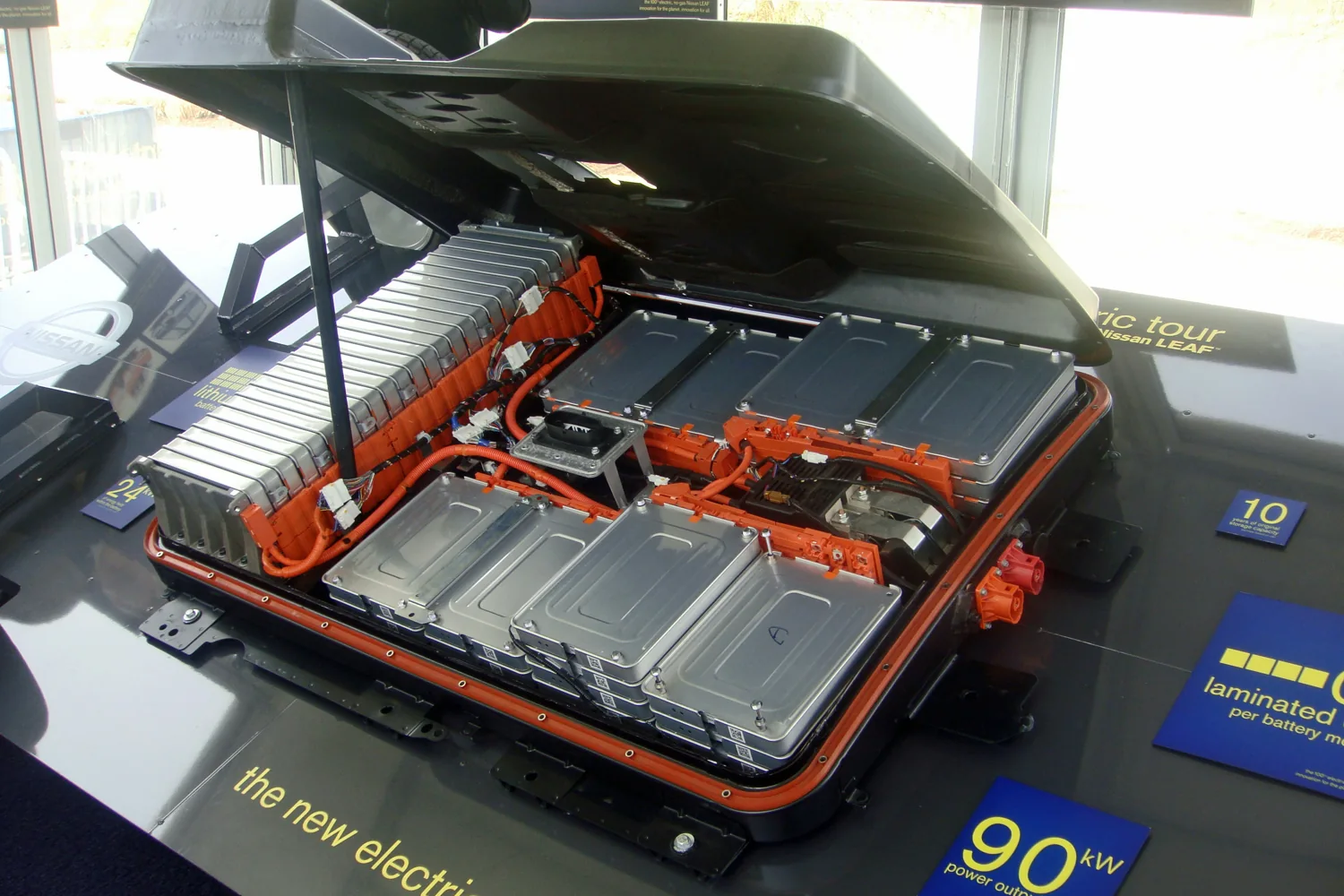
Redwood explained on 23 October how it screens used batteries and integrates them into storage through its Pack Manager electronics. The technical interview also describes a 12 MW, 63 MWh commercial system for Crusoe. The automotive significance lies in second-life packs and the engineering required to turn them into reliable energy infrastructure.
What matters
Second life depends on screening, integration and service, not remaining capacity alone.
What the new source explains
In the corporate interview, Redwood describes capacity and electrical-health assessment alongside physical inspection. Packs meeting its thresholds move into storage; others go to material recovery. It also describes Pack Manager as electronics for integrating batteries with different characteristics. These are attributed company explanations, not evidence that every pack can be reused or an independent audit of the process.
Source: Redwood Materials, entrevista a su CTO; fecha en índice oficial ↗ · Redwood Materials, índice oficial y fecha de la entrevista ↗
Reuse and recycling solve different problems
Reuse preserves part of a product for another function. Recycling recovers materials when continued use of that product is unsuitable. Neither option should automatically be declared superior. The decision requires condition, safety, adaptation and the value of the intended service to be considered together.
A pack may leave a vehicle for different reasons. Extensive mileage and physical damage are not the same situation. Sufficient remaining capacity does not settle every risk either. Responsible assessment keeps those variables separate before discussing second life, rather than reducing the decision to a single percentage.
State of health is part of a diagnosis
Capacity helps estimate stored energy, but stationary systems also need to understand electrical behaviour, temperature and consistency. One summary indicator cannot describe the complete history. Available information and pack traceability affect the confidence of the assessment.
For used-EV buyers, this means a vehicle battery-health report and screening for a different application are not interchangeable certificates. They answer different questions. Industrial reuse potential does not establish the condition of an advertised car or the amount someone will pay for its pack after road use ends.
Pack Manager tackles a heterogeneous battery supply
Redwood describes Pack Manager as its own power electronics for integrating packs with different voltages, chemistries and controls, without requiring them all to come from the same car. Heterogeneity is central to second life: a GM pack and a Rivian pack may both retain useful capacity while requiring different interfaces and operating limits.
The company says it assesses capacity and electrical health in minutes alongside a physical inspection. Packs meeting its thresholds go into storage; the others enter materials recovery. The release does not publish a universal acceptance threshold or turn its internal process into certification for any used battery offered to a private buyer.
Source: Redwood Materials, entrevista a su CTO; fecha en índice oficial ↗
Energy storage does not generate energy
A storage installation moves energy between times. Its usefulness depends on charging and discharge schedules, losses and the service required. Supporting a load, managing peaks and providing continuity under defined conditions are different applications. Each needs its own limits for power, duration and availability.
A megawatt figure should therefore not be compared directly with a megawatt-hour figure. One measures power and the other energy. A system with substantial capacity may lack the power needed for a particular demand; a powerful system may have limited duration. The application should guide interpretation of both measures.
The Crusoe example separates power from duration
Redwood cites a 12 MW, 63 MWh microgrid for a Crusoe data centre and availability above 99% since launch as a commercial reference. These are provider statements without an independent audit published in this release. Dividing nominal energy by power gives 5.25 hours, an ideal editorial calculation before reserves, losses and discharge constraints.
The distinction matters more than describing the system as large. Megawatts indicate the demand that can be served at a given power; megawatt-hours indicate how long it could be served under those assumptions. Redwood also describes solar integration and site management. Storage supplies flexibility, but actual autonomy requires the load profile and the sources replenishing it.
Source: Redwood Materials, entrevista a su CTO; fecha en índice oficial ↗
Questions answered
How does Redwood decide whether to reuse a battery?
The company describes capacity and electrical-health assessment alongside physical inspection. Packs that do not meet its thresholds enter materials recovery.
Is a pack with remaining capacity automatically safe for storage?
No. Capacity is one variable; electrical assessment, inspection, integration and operating conditions also matter.
The interview's contribution is to move attention from an isolated battery to the system selecting, controlling and maintaining it. Second life is a possibility requiring engineering and evidence. It is not an automatic guarantee of safety, savings or residual value for every EV.
Sources & editorial policy
- Redwood Materials, entrevista a su CTO; fecha en índice oficial ↗
- Redwood Materials, índice oficial y fecha de la entrevista ↗
Written by Autohaus Zephyr from the linked sources. Manufacturer figures are attributed claims, not our own tests. The practical comparisons and clearly identified examples are editorial analysis. Market availability and specifications require confirmation for the exact car.
Corrections: info@autohauszephyr.ch
How we work →