
Electric cars · Practical guide
Heat pumps in electric cars: when they matter and how to check before buying
A heat pump can matter when heating an electric car in cold weather, but its usefulness depends on the vehicle, climate and journeys. This guide explains what to check and how to compare evidence without mistaking an energy example for a range promise.
What matters
Do not decide by the system’s name or an isolated percentage. Confirm the exact equipment, consider your regular journeys and compare results produced under equivalent conditions and methods.
What a heat pump does—and what it cannot prove
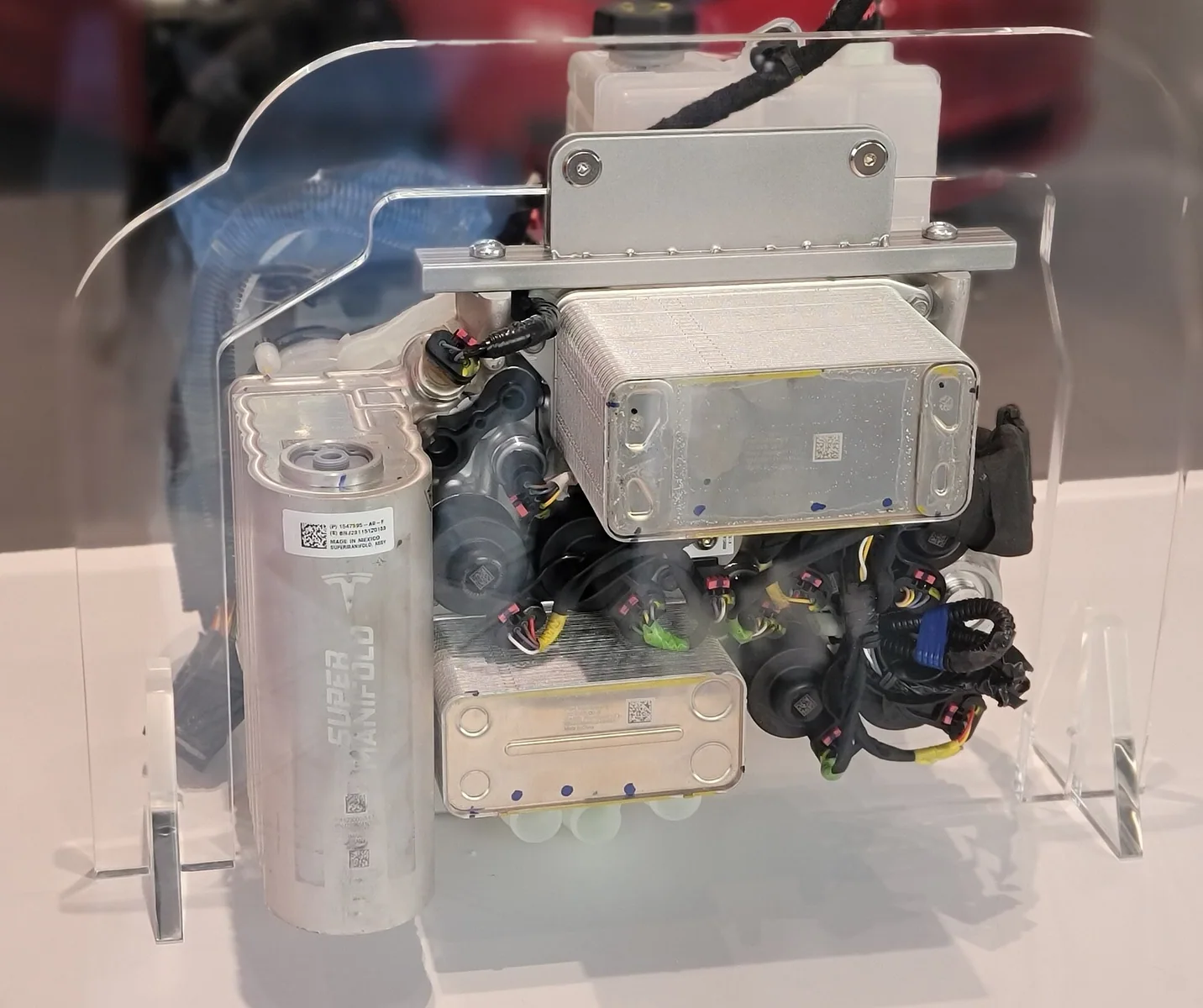
An electric car needs energy to drive its wheels and to condition the cabin and manage component temperatures. A heat pump transfers thermal energy from its surroundings; it is not the same as producing heat solely through an electric resistance heater. HELLA describes a heat pump as part of a wider thermal-management system, with circuits and other components that can contribute to how it operates.
That architectural difference helps explain why a heat pump may be interesting in winter, but it does not by itself show how much range a particular model will gain. The result depends on the vehicle’s design, outside conditions, climate-control use and journey. Nor does it mean the car uses no energy to provide heat. The useful question is not whether the technology is good in the abstract, but what it contributes in the specific configuration you are considering.
Source: HELLA Tech World · Technology trends: electromobility ↗
Start with your journeys, not an advertised figure
Make a note of how you normally use the car in colder months: journey length and distance, how long it is parked outdoors, approximate temperatures and whether you can prepare the cabin before departure. Climate control can account for a different share of consumption on a short trip than on a long one. A winter motorway figure, therefore, does not automatically describe the experience of someone making several short trips with stops.
Also consider whether you usually drive alone or with passengers, what cabin temperature you choose and how much you rely on heating while moving. There is no need to turn this inventory into an exact forecast; it helps define a relevant comparison. For example, a winter test built around one long journey may not represent a routine made mostly of urban trips lasting only a few kilometres. Decide what real use you want to evaluate, then ask for evidence that matches it.
Read kWh in context: an example, not a promise
The relationship between time, energy and distance can be clarified with an explicitly hypothetical calculation. Suppose a heater averaged 2 kW for one hour: it would use 2 kWh. If, in the same imagined example, the car used 18 kWh per 100 km, those 2 kWh would equal the energy traction would use for about 11 km. This calculation only translates units; it does not describe a tested vehicle or a constant heating demand.
Do not turn that result into a fixed range loss or a saving attributed to a heat pump. Demand can vary during a journey and with the system, weather and settings. Estimated distance, battery energy and the reading on a trip computer are not always interchangeable measures, either. When comparing two cars, request the full method and data instead of applying a generic percentage to their battery capacities.
Verify that the specific car has the system
Before assessing an offer, check whether a heat pump is standard, optional or unavailable on that version in the relevant market. A trim name alone is not enough: equipment can vary by model year, configuration and country. Ask the seller to identify the specific vehicle and support the answer with vehicle documentation, a configuration record or written confirmation that can be checked with the manufacturer.
Clarify exactly what the description means, too. A general reference to “efficient climate control” does not confirm that the car has a heat pump, nor does it explain how the system works with the rest of its thermal management. If the detail affects your decision, request the manual or technical documentation for that vehicle and ask what system heats the cabin. If this cannot be clarified, treat the equipment as unconfirmed, not as a feature included by default.
Compare winter tests using equivalent methods
A useful comparison records at least the outside temperature, distance and route type, approximate speed, climate-control settings and the car’s starting condition. Check whether the vehicles began under comparable conditions, whether they had been parked outside and whether they were prepared before departure. Differences in wind, elevation, traffic, tyres, load or driving style can change consumption; if those factors are not described, the observed difference cannot be cleanly attributed to the heat pump.
Look for repeatable results and establish what was measured: energy used from the battery, consumption shown during the trip or distance travelled. Do not combine figures from different tests as if they came from a controlled trial. If a test reports a benefit, ask which car, temperature, route and settings produced it, then judge whether those conditions resemble yours. Without a comparable method, a result may be informative, but it cannot reliably calculate your personal saving.
For a used car, check operation and records
On a used electric car, whether the system is fitted and whether it is in good condition are separate questions. First confirm the equipment on that specific vehicle, then review the manual, available maintenance history and any documented climate-control or thermal-management warning or issue. During an inspection, ask for the heating and air conditioning to be tested using the appropriate procedure for that vehicle. Warm air during a brief check does not certify that every circuit component is in good condition.
If there are unusual noises, warning messages, inconsistent operation or gaps in the history, request an assessment from a workshop qualified to work on electric vehicles and ask what was checked. Thermal circuits can require specific procedures and training; do not open or work on them based on generic instructions. An inspection also cannot guarantee future range or predict a repair cost without diagnosis. Get documented findings before deciding, and keep any repair estimate separate from the value of the equipment.
Source: HELLA Tech World · Technology trends: electromobility ↗
Decide on marginal usefulness and total cost
To decide, compare genuinely equivalent configurations: the same model and conditions that are as similar as possible, with the full price and confirmed equipment. Ask what the price difference attributable to the option is, whether it is bundled with other features and what else that package includes. Do not assume a higher purchase price will be recovered through a particular range gain: that conclusion would require comparable data for your usage pattern and a defined ownership period.
A heat pump may be more appealing to someone who regularly drives in cold conditions and wants to reduce the energy devoted to heating, but it is not a universal answer or a substitute for checking the rest of the car. Before reserving or paying, identify who is selling the vehicle and who will receive the money, and verify both roles against documentation. If your decision depends on a specific saving, request evidence for the same model and conditions; if none exists, make the decision with that uncertainty explicit rather than turning a technical possibility into a guarantee.
Source: HELLA Tech World · Technology trends: electromobility ↗
Questions answered
Does a heat pump guarantee more range in winter?
No. It is a climate-control design that can use thermal energy from the surroundings, but range also depends on the vehicle, weather, settings and journey. There is no identical gain that applies to every model.
How do I confirm that a used car has a heat pump?
Request documentation for the specific vehicle and confirm its configuration with the manufacturer or an authorized source for that market and model year. A generic sales description or trim name is not enough.
Can I check its condition simply by turning on the heating?
That provides only a basic observation and does not certify every component. If there are warnings, inconsistent operation or concerns, request a documented inspection from a workshop qualified to work on electric vehicles.
A heat pump is best assessed as part of the car’s thermal management and total cost, not as an automatic range figure. Verify the equipment on the specific vehicle, compare transparent tests and give greatest weight to the journeys you actually make.
Sources & editorial policy
Written by Autohaus Zephyr from the linked sources. Manufacturer figures are attributed claims, not our own tests. The practical comparisons and clearly identified examples are editorial analysis. Market availability and specifications require confirmation for the exact car.
Corrections: info@autohauszephyr.ch
How we work →Keep reading
- 800-Volt Charging: How to Tell Whether It Will Really Save Time
- Used EV battery health reports: how to interpret the results
- BMW iX3 Neue Klasse: what changes beyond range