
Technology · Practical guide
Solid-state batteries: what BMW’s test car actually demonstrates
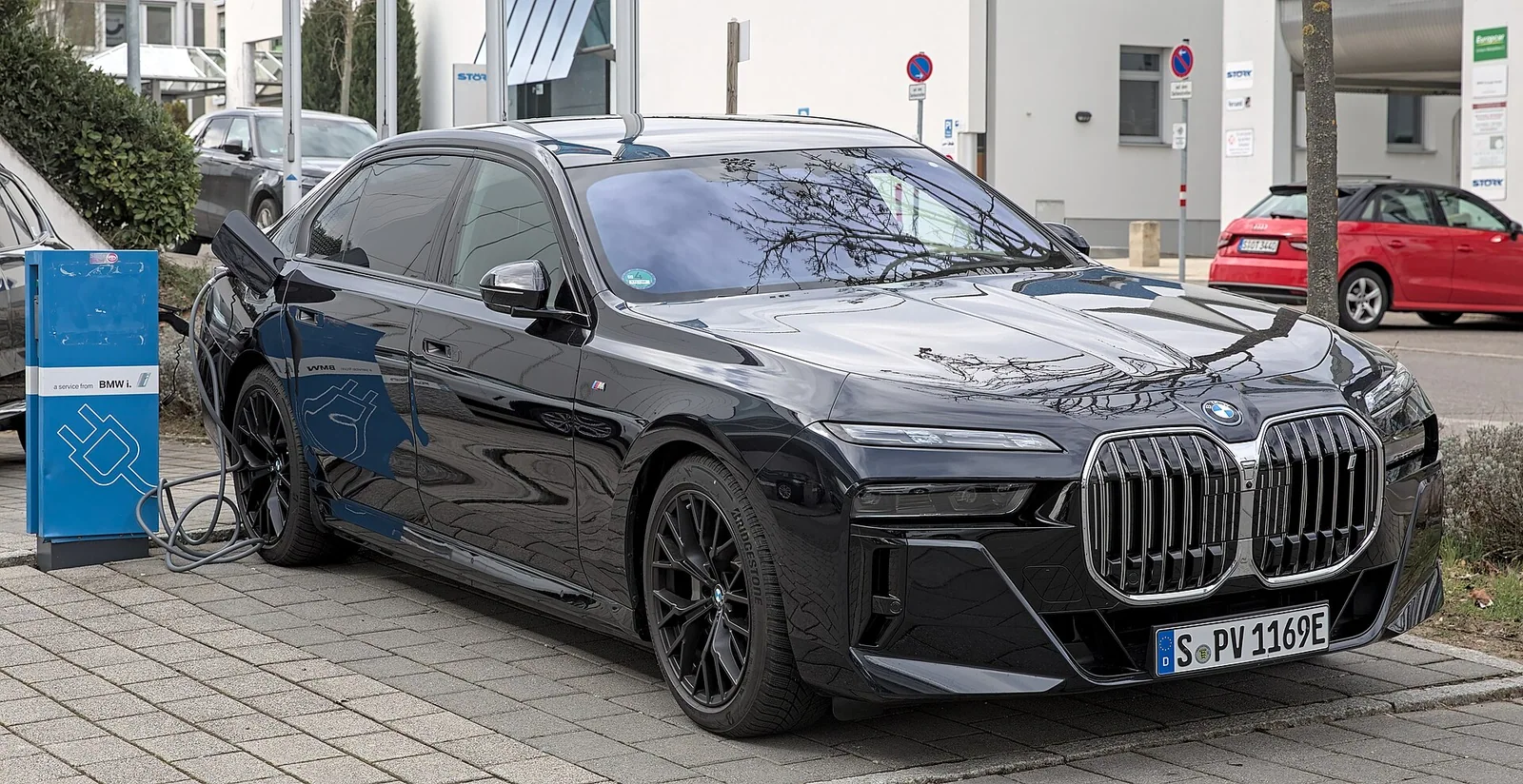
In May 2025, BMW reported testing an i7 with Solid Power solid-state cells. This is progress toward vehicle integration, but it does not confirm a product ready to buy.
What matters
Read the i7 as a development demonstrator: the announcement does not establish commercial performance, price, durability, availability or a sale date.
What BMW announced—and what it means
On May 20, 2025, BMW said it was testing an i7 fitted with Solid Power solid-state battery cells in the Munich area. The company described the work as a technology evaluation and pointed to the potential for higher energy density. The news matters because it places these cells in a test vehicle, rather than leaving them solely in discussion of battery chemistry or laboratory results.
The decisive word is “testing.” The announcement establishes that an experimental setup was being evaluated; on its own, it does not confirm a production i7 with this battery, an option customers can order, or a countdown to launch. Nor does it provide commercial range, price or an availability date. Those conclusions would require specific information that the announcement does not supply.
Source: BMW Group · Solid Power all-solid-state cells in a BMW i7 ↗
Cell, battery pack and car: three levels to keep separate
A cell is the electrochemical unit that stores energy. Multiple cells and the components that connect, support, protect and monitor them form part of the installed battery system. The complete car adds its own structure, mass and energy consumption. A figure measured for a cell therefore does not automatically equal the usable energy of the pack or let anyone calculate the vehicle’s range.
When reading a claim, identify the exact level it concerns: cell, battery assembly or vehicle. Then check what is measured and what it is compared with. If a report claims better energy density, for example, ask whether the figure is energy per unit of mass or volume, and whether the weight covers cells alone or the complete pack. Without comparable scope and denominators, two apparently conflicting figures may describe different things.
How to assess an improvement without turning it into a promise
Energy density describes how much energy is stored relative to a measure such as mass or volume. It is not another term for range, charging speed, service life or cost. Range also depends on the vehicle and its use; estimating it requires information about the complete system and measurement conditions. BMW’s announcement mentions the potential for higher energy density, but does not give a commercial range figure for an i7.
Purely hypothetical example: if two cells stored the same energy and one weighed less, that cell would have more energy per kilogram. It does not follow that the vehicle would travel proportionally farther: the complete pack may weigh more than its cells, and the car’s energy consumption matters too. This example does not describe the test i7 or its results. It shows why comparisons should specify exactly what was weighed and measured.
Source: BMW Group · Solid Power all-solid-state cells in a BMW i7 ↗
What further evidence would make the case stronger
A test vehicle can be used to study integration, but a report about that stage does not answer every question needed to assess a product. When reading a future update, look for repeated results and stated conditions, as well as clarity about the setup that was evaluated. Then distinguish an engineering demonstration from manufacturing validation: a solution working in an experimental vehicle does not by itself prove that it can be produced repeatedly with the advertised performance.
Buyers would also need answers to practical questions: how capacity changes with use, what performance is observed in different conditions, what maintenance is expected and how a faulty battery would be handled. I am not claiming these matters have failed or that there is a problem; the announcement simply does not resolve them. Responsible evaluation records each result with its date and scope instead of filling gaps with assumptions based on the technology’s name.
A simple routine for checking later headlines
Before sharing a headline, open its source and find five things: date, programme stage, component measured, quantified result and comparison used. If any are missing, classify the item as a development announcement or statement of potential, not demonstrated performance. Also check whether the original text discusses a cell, a pack or a complete car. Summaries can erase that distinction even though it is central to interpreting the result.
Hypothetical example: a future report might say “more energy at less weight” without stating whether it compares equivalent cells or complete packs. The cautious reading is that there is a claim to verify, not that an upcoming model will have more range. Look for a technical publication or manufacturer update that explains method and scope. If none is available, record what remains unknown rather than assigning a figure or date.
What someone choosing an electric car should do today
If you are comparing cars on sale now, treat the experimental i7 as research and development information, not as an option available in a configurator. The announcement cannot tell you whether to delay a purchase, what a future battery would cost or what range it would deliver. Base a current comparison on verifiable specifications for the vehicles you are actually considering, alongside your journeys, charging access and usage needs.
For a specific decision, make a list of the certified range and published warranty conditions for the model and market you have in mind; confirm both in current documentation from the manufacturer or responsible seller. Also ask which exact version is being offered and which features are standard or optional. Do not attribute experimental technology’s possible benefits to a car on sale today. If a sales claim invokes solid-state batteries, request the model, contractual specification and supporting source before paying a reservation.
What it would be reasonable to expect from a future update
A useful update should clearly separate what was tested from what is planned. It should identify the date, component evaluated, conditions and measured results, and explain whether the subject is cells, a pack or a vehicle. Moving toward a purchase decision would also require concrete commercial confirmation: a defined model, published specifications and verifiable sales terms. The 2025 announcement supplies none of those details and does not announce a 2026 market launch.
The assessment can change when new evidence appears; it should not anticipate that evidence. For now, the supported statement is limited: BMW reported testing Solid Power solid-state cells in an i7. The most useful distinction for readers is between technological progress and a product for sale. Keeping that distinction avoids both dismissing an integration milestone and mistaking it for a promise about range, price, durability or timing.
Source: BMW Group · Solid Power all-solid-state cells in a BMW i7 ↗
Questions answered
Does BMW already sell an i7 with a solid-state battery?
The cited announcement describes tests of Solid Power cells in an i7; it does not confirm a commercial version for sale or a sales date. [0]
Does higher energy density guarantee more range?
No. You need to know whether the figure refers to a cell or the pack, and understand the performance of the complete vehicle. The announcement does not publish a commercial range figure for that i7. [0]
What should I check in a headline about these batteries?
Check the date, development stage, level measured—cell, pack or car—the conditions and the comparison baseline. If these are missing, do not turn potential into a purchase specification.
BMW’s reported test is significant as a step toward vehicle integration, not as a commercial launch. To assess later reports, require identifiable scope, method and development stage; when buying today, rely on verifiable specifications for the model actually being offered.
Sources & editorial policy
Written by Autohaus Zephyr from the linked sources. Manufacturer figures are attributed claims, not our own tests. The practical comparisons and clearly identified examples are editorial analysis. Market availability and specifications require confirmation for the exact car.
Corrections: info@autohauszephyr.ch
How we work →Keep reading
- Sodium batteries and CATL Naxtra: what the announcement does and does not show
- Used EV battery health reports: how to interpret the results
- 800-Volt Charging: How to Tell Whether It Will Really Save Time